Across the country, schools are adopting the Science of Reading to strengthen how children learn to read in English. Families play an essential role in this effort.
Literacy Partners has created family-facing videos and workshops that help parents understand how children learn to read and how to support learning at home. These resources help bridge learning between home and school by activating the important role parents, caregivers, and extended family members play in children’s reading success.
We invite schools, community organizations, and public partners to help bring these resources to families in your community.
How Do Children Learn To Read In English?
Created in collaboration with NYC Public Schools and Parent University, this trailer introduces our work supporting families through the NYC Reads initiative. Parents share how children learn to read step by step—from letter sounds, to words, to sentences, to understanding what they read—and how everyday activities like talking, singing, storytelling, and practicing together help children build strong reading skills.
Literacy Partners works with schools, libraries, community organizations, and public agencies to share these resources with families. If you are interested in bringing these workshops and videos to families in your community, we would love to collaborate.
Our Science of Reading Workshops for Parents help parents and caregivers understand how reading develops and how to support children at home.
In these workshops, families learn:
How children learn to read in English
Simple strategies to practice in the home culture
Ways to build strong language and reading skills
How to create everyday family moments that support learning
Questions to ask teachers
The workshop cycle includes five sessions of 90 minutes each, available online or in person. Workshops are available for English and Spanish-speaking parents of young children. Participating parents receive free books.
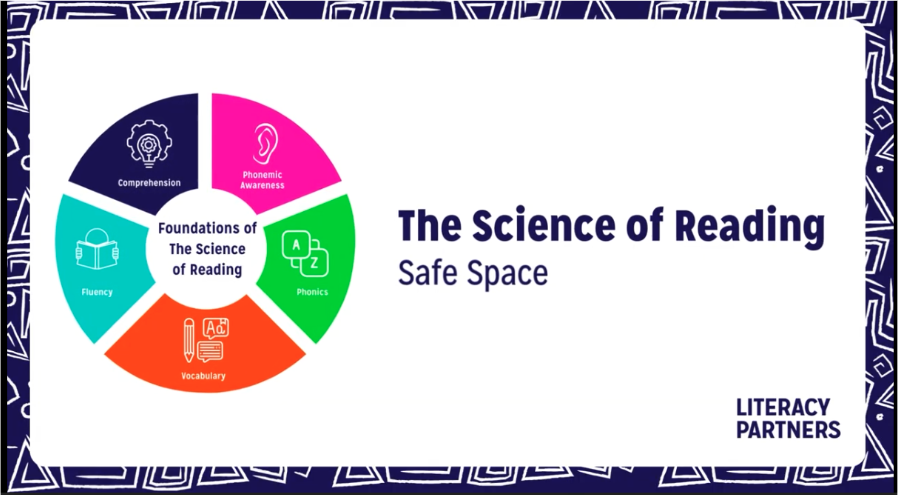
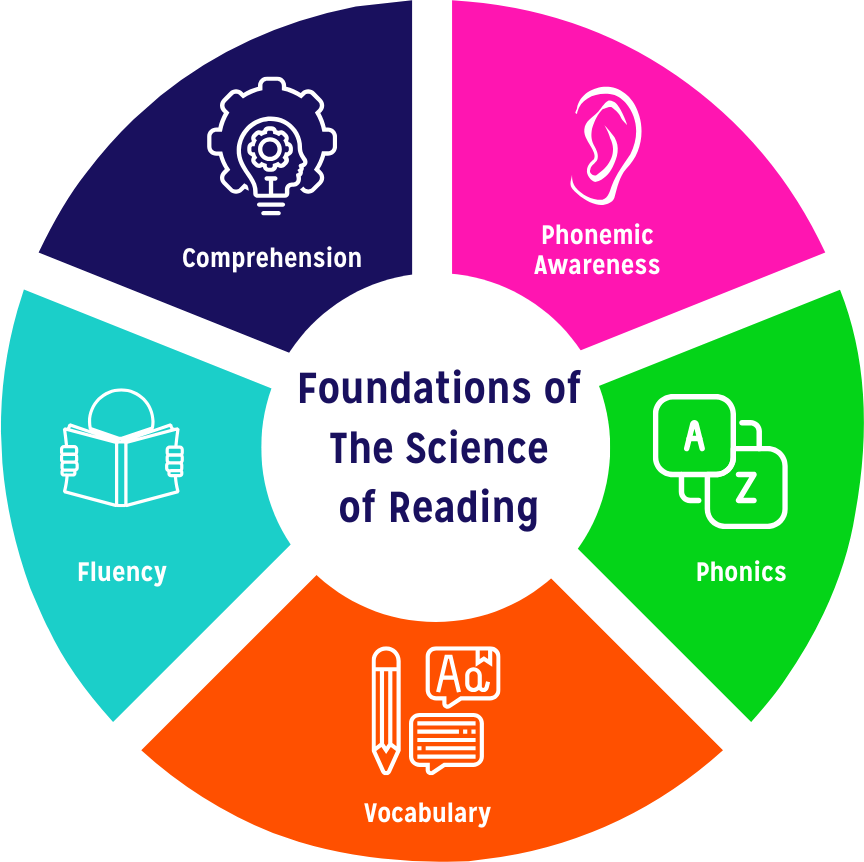
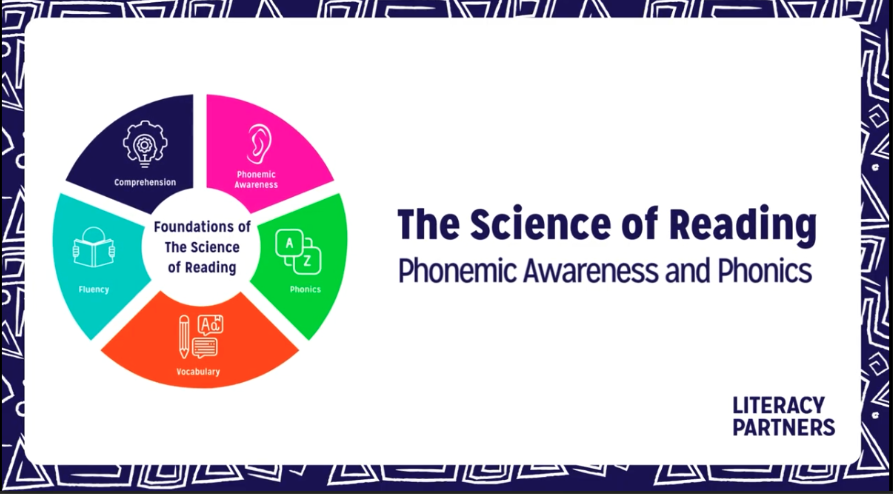
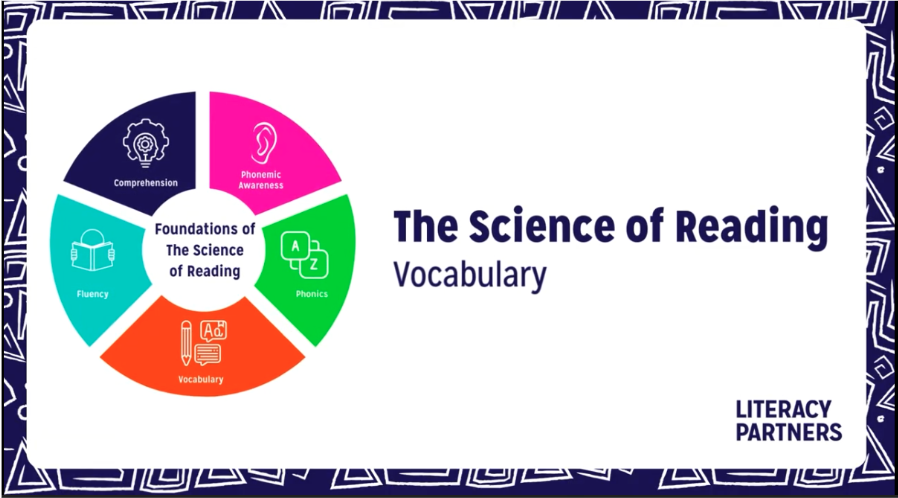
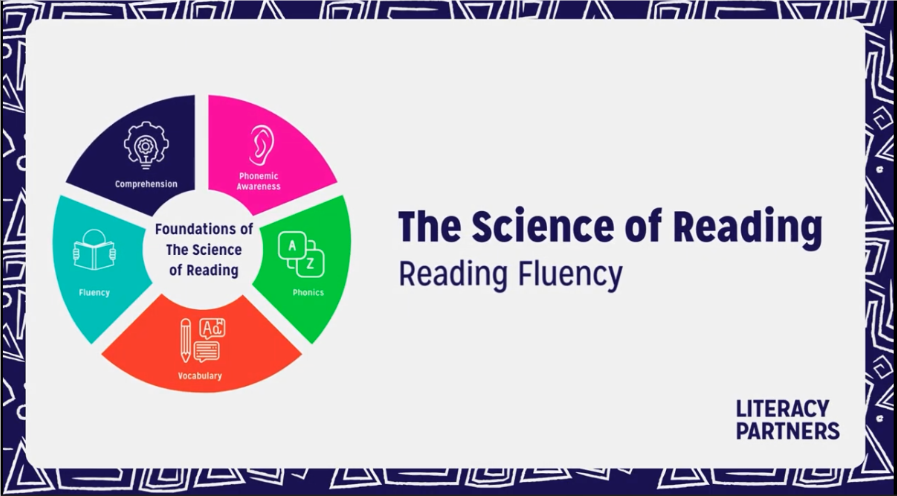
Our Science of Reading for Parents curriculum shows parents the five essential skills children need to become strong readers, and how families can support these skills at home and in the community.
Phonemic Awareness (Listening to Sounds)
Phonics (Letters and Sounds)
Vocabulary (Learning New Words)
Fluency (Reading Smoothly)
Comprehension (Stories Beyond The Text)
Learn More With Our Video Series
This five-episode video series guides families through The key ideas of the Science of Reading using everyday language examples and simple language.
Each episode focuses on one step families can take to support reading at home.
Families can watch the videos together and try the activities at home.
Real Impact for Families
practiced reading activities with their children at home daily
0%
learned new ways to create language-rich moments in everyday life
0%
now see themselves as their child’s first and best teacher
0%
Watch and Reflect
What is one idea that feels familiar to you?
What did you notice about how children learn sounds, words, or stories?
Reading starts with you. When you offer love, patience, and calm moments at home, you help your child feel safe to learn. You can support reading in any language you speak.
You can help your child begin reading by playing with sounds. When you use rhymes, songs, and simple games, you help your child hear sounds clearly and read new words with confidence.
Everyday conversations with you matter. When you describe things, ask questions, and speak in your home language, you help your child learn new words and build strong vocabulary.
You can support fluency by reading together. Pointing to the words, taking turns reading, and using different voices help your child read with rhythm and expression. A little practice every day makes a big difference.
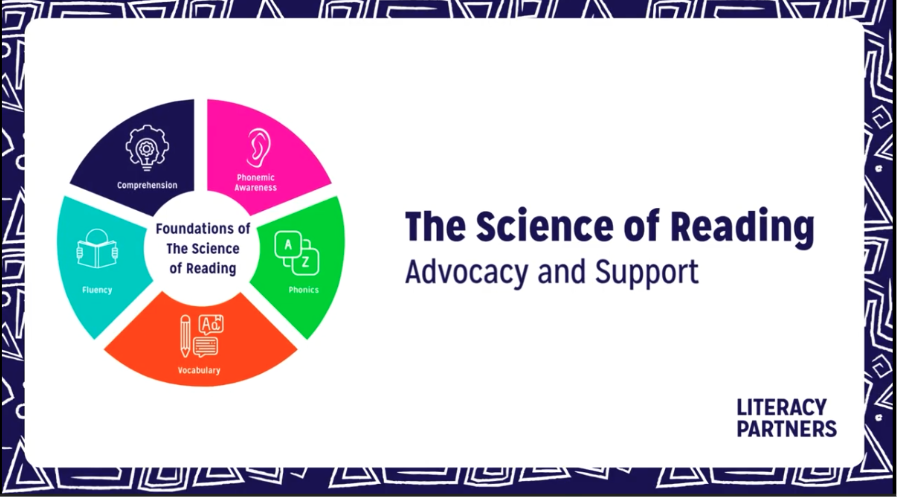
You are your child’s best advocate. You can ask questions at school, check progress, and stay involved. You do not need to know everything—your presence and support already make a powerful impact.